
Diving in Sulawesi
With the exception of some small plaines near the coast, the island of Sulawesi in Indonesia consists of high mountain ranges up to 3500 m, which are still covered with dense tropical jungle.
For the visitor Sulawesi offers stunning landscapes. There are active volcanoes in the north, spectacular mountains and lakes in the interior and beautiful beaches everywhere - the sea is nowhere further than 40 km away.
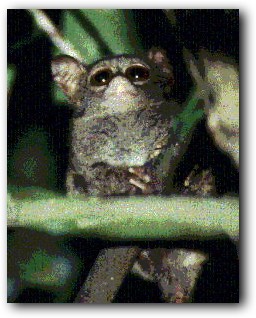
Also flora and fauna is exceptional: Sulawesi has been separated from the asian mainland since the ice age. So animals and plants could develop here, which are not found anywhere else on this world. 90 % of the mamals in Sulawesi are endemic, among them the Babi rusa, a mixture of deer and wild pig, 3 species of dwarf buffaloes and the smallest monkey of the world, Tarsius spectrum.
For the visitor Sulawesi offers stunning landscapes. There are active volcanoes in the north, spectacular mountains and lakes in the interior and beautiful beaches everywhere - the sea is nowhere further than 40 km away.
Also flora and fauna is exceptional: Sulawesi has been separated from the asian mainland since the ice age. So animals and plants could develop here, which are not found anywhere else on this world. 90 % of the mamals in Sulawesi are endemic, among them the Babi rusa, a mixture of deer and wild pig, 3 species of dwarf buffaloes and the smallest monkey of the world, Tarsius spectrum.
Diving in Manado
Water temperature is usually around 28°C all year round. The reefs have been monitored systematically for nearly 30 years now and still new species are being discovered. The whole area with the islands of Bunaken, Manado Tua, Siladen, Montehage and Nain has been declared a national park, which actually does not mean much in Indonesia, but it is at least a chance for the future preservation of this outstanding diving area.
Since mid-1998 the North Sulawesi Watersport Association (NSWA), an association of most of the dive centers in the region, has improved the protection of the reefs. There is an entrance fee for the national park to be paid now (17 US $ in 2015). The money is used to pay rangers who are in charge of controlling the national park rules. Since these rangers are on duty numbers of fish have increased considerably.
The islands are situated in the Sulawesi See which reaches a depth of 6 km. Already on the short trip from Manado to the islands there is aproxymately 1500 m of water below the boat. The sea here still contains many secrets. In 1998 even a new habitat of the Coelacanth, Latimeria menadoensis, was discovered. This living fossil belongs to the tassel-finned fishes and first appeared 370 million years from present. Also in 2002 a dive guide from Froggies discovered a new species of Pigmy Seahorse. So there there is a constant flow of macro photographers coming to Manado to complete their collections of uw-photos.
Also pelagics are often seen: Sharks, schools of barracuda, tuna, napoleon and turtles. Most interesting however are the vertical walls covered with hard- and soft coral and the enormous amount of rare fish, shrimps and crustacea.
Dive resorts in Manado
In 1991, when we were in Manado for the first time, there were only three dive centres. In the meantime (2015) there are more than 30 different dive operators - some of them offering diving with very poor standards. I really recommend to check equipment and qualification of the staff before joining a dive centre. Up-to-date and reliable information can also be found on Peter´s North-Sulawesi-Info-Page.
In 1991 we dove with the Nusantara Diving Centre (NDC), the first and oldest base in the area which closed operation in 2008 after a lot of complaints from unsatisfied customers.
Also on the mainland is situated Murex in the west of Manado. It takes quite a time from there to reach the dive spots near Bunaken.
From the newer dive centres on Bunaken Froggies used to be our favourite place. Under the very competent leadership of Christiane this Padi-centre offerd diving in small groups with highly motivated and well informed local guides. That is why a lot of underwater fotographers and filmers regulary visited this dive base. Unfortunately this dive center does not exist any more.
Celebes Divers, a dive centre led by Italien marine biologists, also has a good reputation.
Since April 2002 another new dive centre has opened: Living Colours on the eastern side of Bunaken behind a mangrove beach offer comfortable, airy bungalows. Jaakko, a Finn, offers diving for younger people and pleasure divers. The dive centre boasts of new and well looked after material and the Safety-Stop-Bar at the beach offers drinks and music after a long day diving.
In 26 - 28°C warm water a 3 mm wetsuit is recommended. Also there are sometimes cold currents which make you freeze. And for all those who want to continue and dive in Bali or Komodo it is even adviceable to take something warmer than 3 mm.
In April 1999, in August 2000 and also in 2002 we did only discover minor destructions caused by El-Nino. The water got very warm in the summer of 1998 but the deep sea around the national park and the exchange of cold water from the depth prevented an overheating of the water like on the maldives during the same time. All dives we made during our many stays were definitely above average. Also since the rangers of NSWA consequentely supervise the fish catching limits inside the park boundaries, big fish have become more abundant than before.
On Bunaken night-dives are a must. These belong to the best dives we ever did.
In 1991 we dove with the Nusantara Diving Centre (NDC), the first and oldest base in the area which closed operation in 2008 after a lot of complaints from unsatisfied customers.
Also on the mainland is situated Murex in the west of Manado. It takes quite a time from there to reach the dive spots near Bunaken.
From the newer dive centres on Bunaken Froggies used to be our favourite place. Under the very competent leadership of Christiane this Padi-centre offerd diving in small groups with highly motivated and well informed local guides. That is why a lot of underwater fotographers and filmers regulary visited this dive base. Unfortunately this dive center does not exist any more.
Celebes Divers, a dive centre led by Italien marine biologists, also has a good reputation.
Since April 2002 another new dive centre has opened: Living Colours on the eastern side of Bunaken behind a mangrove beach offer comfortable, airy bungalows. Jaakko, a Finn, offers diving for younger people and pleasure divers. The dive centre boasts of new and well looked after material and the Safety-Stop-Bar at the beach offers drinks and music after a long day diving.
In 26 - 28°C warm water a 3 mm wetsuit is recommended. Also there are sometimes cold currents which make you freeze. And for all those who want to continue and dive in Bali or Komodo it is even adviceable to take something warmer than 3 mm.
In April 1999, in August 2000 and also in 2002 we did only discover minor destructions caused by El-Nino. The water got very warm in the summer of 1998 but the deep sea around the national park and the exchange of cold water from the depth prevented an overheating of the water like on the maldives during the same time. All dives we made during our many stays were definitely above average. Also since the rangers of NSWA consequentely supervise the fish catching limits inside the park boundaries, big fish have become more abundant than before.
On Bunaken night-dives are a must. These belong to the best dives we ever did.